
When One Day at a Time debuted in late 1975, it quickly became an indelible fixture in millions of living rooms. Groundbreaking, frank, and funny, the Norman Lear sitcom tackled single motherhood, divorce, and coming of age in an era when television rarely touched such realities with genuine honesty. Yet beneath the canned laughter and studio applause, growing up on a high-stakes soundstage came with its own private growing pains.
Decades after the beloved comedy wrapped its nine-season run, star Mackenzie Phillips is taking an honest look back at the moments that felt far less comfortable when the cameras stopped rolling. In an open and candid reunion on former costar Valerie Bertinelli’s podcast, Phillips revealed that navigating the show’s early days meant coping with friction behind the scenes—specifically with one prominent member of the original cast.
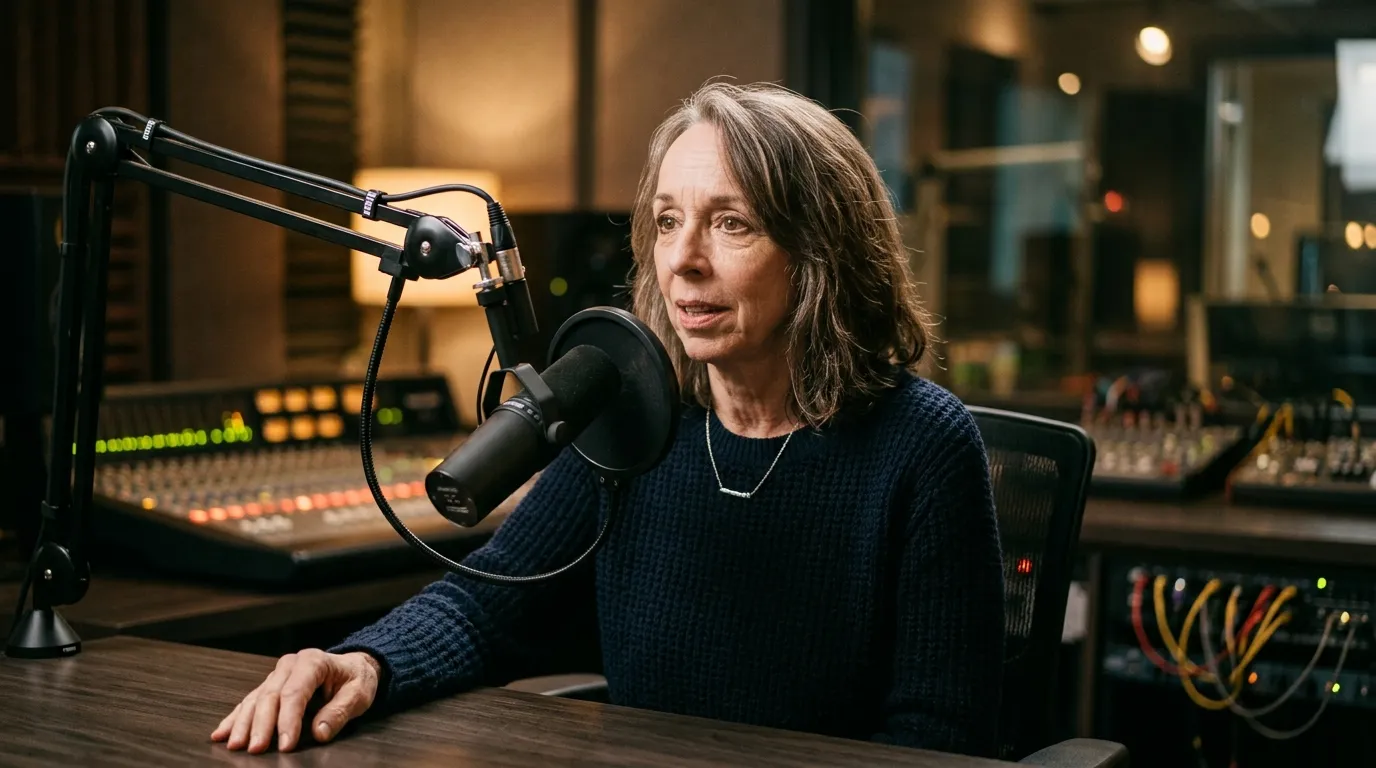
Mackenzie Phillips recently opened up about the emotional complexities of young stardom.
Early Friction on Stage 19
During an appearance on Bertinelli’s Getting Naked podcast, Phillips revisited the dynamic that unfolded during the show’s inaugural season. According to reports from Entertainment Weekly, she candidly admitted that Richard Masur—who played attorney David Kane, the fiancé of Bonnie Franklin’s character Ann Romano—was often difficult to be around.
Phillips recalled that Masur simply “wasn’t very nice” to her during those early rehearsals and filmings. At just 15 years old, stepping into the role of headstrong teenager Julie Cooper alongside seasoned adult actors was daunting enough without personal tensions in the workspace. Masur’s character was a central figure throughout Season 1, serving as Ann’s primary love interest and legal confidant before the characters parted ways and David left town.
Fortunately, the friction never had the opportunity to fester into an ongoing backstage war. Masur exited the sitcom at the end of the first season, effectively diffusing what could have become a lingering issue.
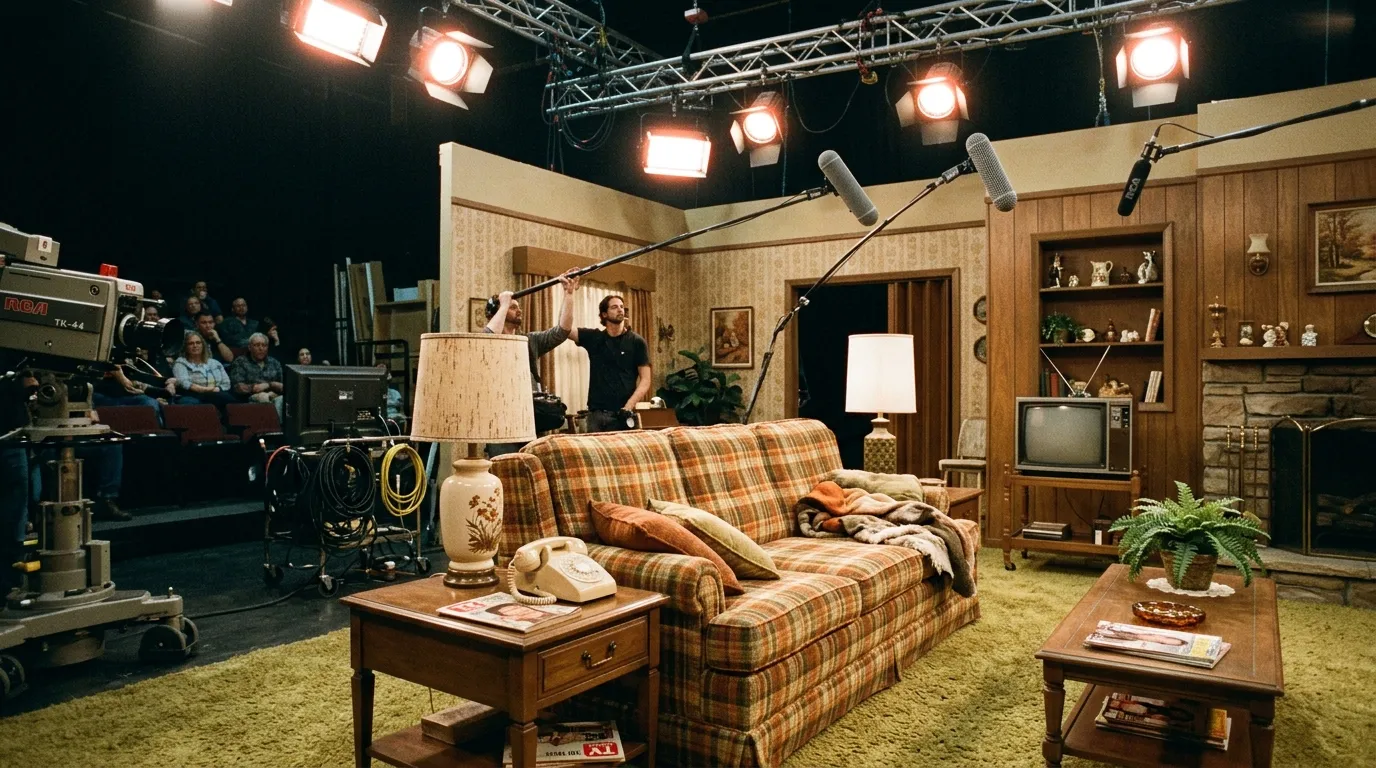
The iconic Indianapolis apartment set was home to both groundbreaking comedy and backstage growing pains.
The Healing Power of Time and an Apology
While teenage wounds can easily cast a long shadow, time brought a much-needed sense of perspective. Years later, Phillips and Masur crossed paths again as seasoned professionals. Rather than letting the old awkwardness hang in the air, Masur took the initiative to set things right.
Phillips shared that Masur offered a sincere, heartfelt apology. While he confessed that the exact details of what had occurred so many years earlier had faded from memory, he voiced deep regret for any harsh words or coldness he had directed her way. More importantly, he took the time to praise her talent and acknowledged how remarkably young they all were when thrust into the sudden spotlight.
That brief conversation proved transformative. Instead of holding onto resentment from her adolescence, Phillips was able to close the chapter on an old conflict and embrace closure with mutual grace.
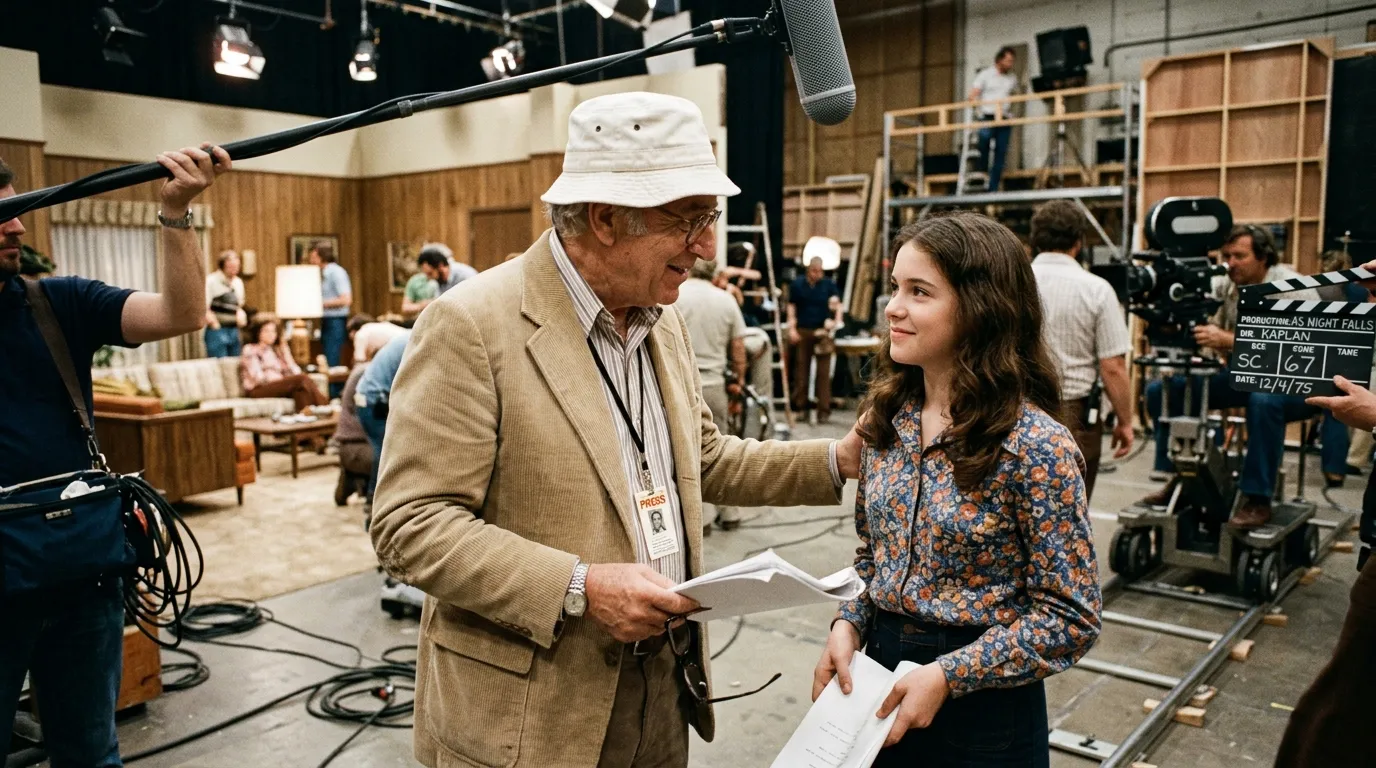
Executive producer Norman Lear provided protective guidance to his young stars amidst demanding production schedules.
The High-Pressure World of a 1970s Sitcom
The conversation between Phillips and Bertinelli also opened the door to wider reflections on what it felt like to be adolescent girls carrying a primetime hit. Bertinelli, who captured America’s heart as younger sister Barbara Cooper, admitted that the environment could be intensely intimidating.
Bertinelli remembered living in perpetual fear of being reprimanded by the show’s legendary creator and executive producer, Norman Lear. Yet alongside that intimidation was a deep, undeniable undercurrent of paternal care. She recalled a vivid moment during the taping of the first-season finale when the script called for her character to cry on cue. Struggling under the studio lights, a young Bertinelli froze—until Lear quietly pulled her aside.
Rather than scolding her or expressing frustration over lost production time, Lear offered gentle reassurance, helping her find the emotional space she needed. Looking back from adulthood, Bertinelli recognizes how crucial Lear’s protective presence was in an industry that rarely prioritized the emotional well-being of young women.
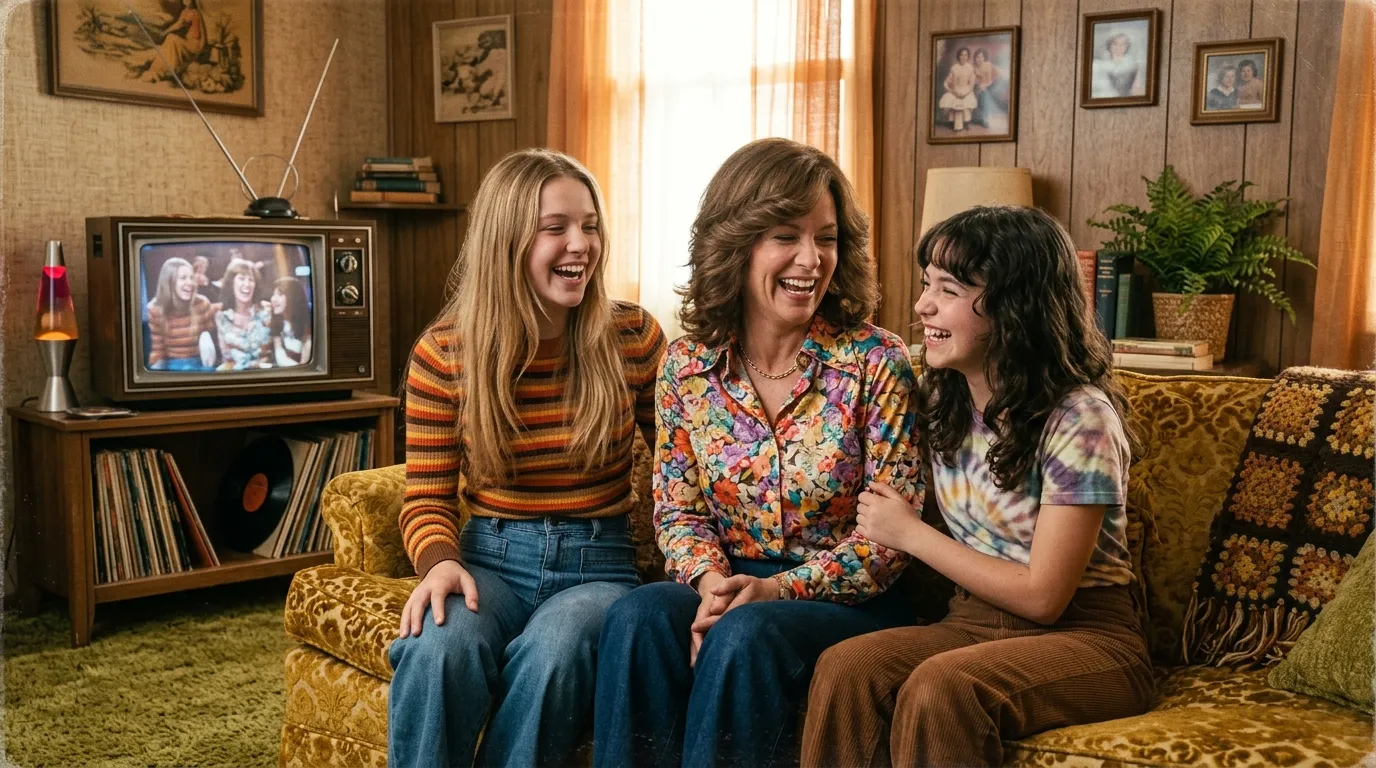
Decades later, the warmth of the Romano family continues to resonate with generations of viewers.
A Deeper Layer to a Classic Legacy
These candid memories add a richer, more human dimension to a series remembered by millions for its warmth, quick wit, and resilient family spirit. While audiences saw an effortlessly tight-knit Romano household on screen, the young women bringing those characters to life were learning how to balance sudden fame, grueling work hours, and complicated workplace relationships.
For Mackenzie Phillips and Valerie Bertinelli, looking back isn’t about rekindling old grievances. Instead, it’s a celebration of resilience. In sharing their memories honestly, they remind us that the journey through fame—much like life itself—is something you have to take one day at a time.
If you found this article interesting, please SHARE it with your friends and family!
Note: All images used in this article are AI-generated and intended for illustrative purposes only.
0 Comments