
When my husband cracked my ribs and walked out the door, my 5-year-old son picked up my phone and made the call I was too broken to make. “This is what Grandpa is for,” he said. Then his tiny voice shook as he whispered, “Grandpa, come now. Mama can’t breathe.”
My five-year-old son did not cry first. Instead, he did something far more heartbreaking for a child his age: he listened.
He listened to his father’s truck tires viciously spit gravel across our long driveway. He listened to the heavy front door slam shut with a force hard enough to make the fluorescent kitchen light flicker and buzz. And then, he listened to the thin, broken, jagged sound of my breathing as I lay on the cold ceramic tile, one hand desperately pressed against my throbbing side.
Noah crawled quietly beside me, his small hands reaching out to pull my phone from underneath the dining chair Evan had violently knocked over. He held the device in both hands, staring down at the illuminated screen with the terrifying, heavy seriousness of a child who suddenly understands a grim reality: there is no adult left in the room who can fix this.
“This is what Grandpa is for,” he whispered softly into the quiet kitchen.
His little thumb confidently found my father’s name, marked affectionately by a little fishing-boat emoji.
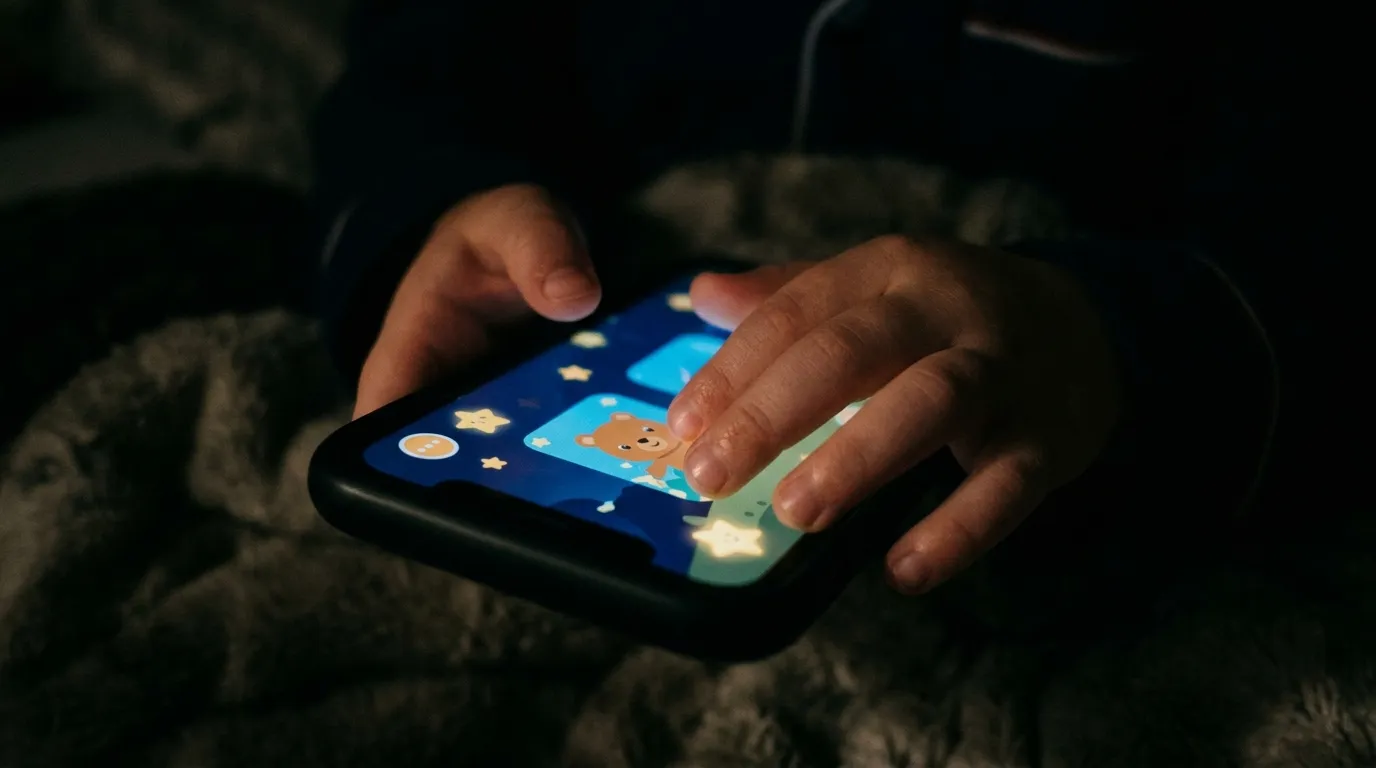
In the darkest of moments, a child’s bravery became the guiding light.
The entire devastating fight had started over a mere seventy-three dollars.
It wasn’t an affair that tore my world apart. It wasn’t massive, hidden debt. It wasn’t some scandalous secret double life. It was just seventy-three dollars sitting in a modest savings account under my own name.
It was grocery change. It was birthday money from my sister. It was a few dollars at a time that I had quietly, desperately put away over months. Because somewhere deep inside me, buried beneath all the carefully constructed excuses I made for my marriage, I knew a chilling truth: I might eventually need enough money to escape it.
At exactly 8:17 that night, Evan walked up behind me and saw the banking app glowing on my phone screen.
“You think you’re leaving me?” he asked, his voice low and dangerous.
“No,” I replied.
It was a lie, of course. But it wasn’t the kind of lie people tell because they are inherently dishonest. It was a survival tactic. It was the smallest, most insignificant answer I could think of that might possibly keep the temperature in the room from rising.
It did not work.
His hand struck first, a blur of sudden movement. The wooden chair went over with a crash. My ribs hit the sharp edge of the granite counter with a crack so sickeningly sharp that even Noah stopped screaming for half a heartbeat. My son stood frozen in the hallway clutching his favorite stuffed dinosaur, barefoot, shivering, his little pajama shirt twisted awkwardly around one shoulder.
Evan looked at Noah. Then, he looked down at me crumpled on the floor.
For one terrifying, frozen second, I saw something in my husband’s eyes that frightened me far more than his explosive anger. I saw cold, hard calculation.
I could practically hear the gears turning in his head: How bad did I look? How much of this could be explained away? How much fear did he still have absolute control over?
“Clean yourself up,” he commanded coldly. Then he nodded toward our trembling son. “And teach him not to cry like that.”
He took my car keys from the metal hook by the door and walked out into the night.
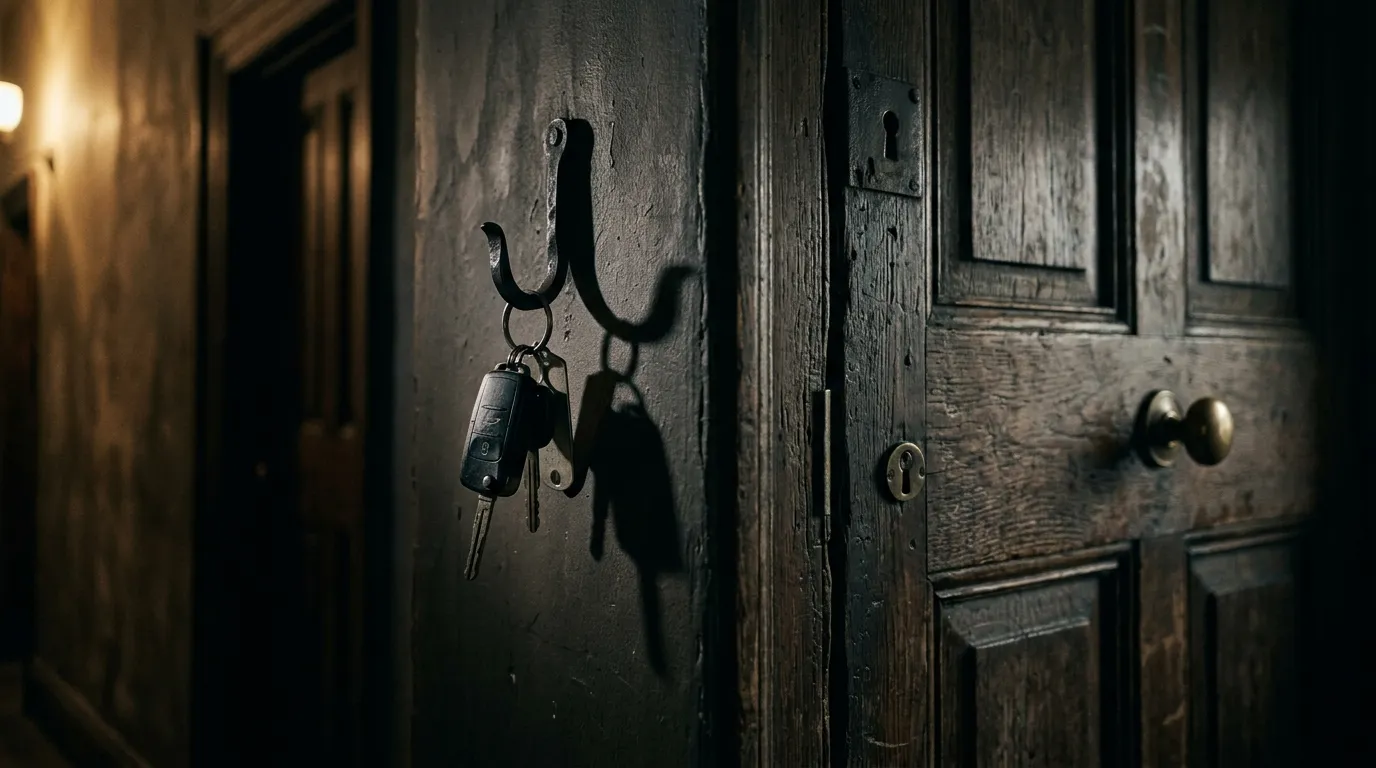
For seven years, that hook was a symbol of where my freedom started and ended.
For seven long years, that little hook had been such an ordinary, mundane thing that I barely even noticed it. But Evan always insisted on putting the keys exactly there. He liked knowing exactly where they were at all times. He liked interrogating me about why I needed them. He liked holding the power to decide whether my errands could wait.
That night, when he took them with him, leaving me stranded and hurt, I finally understood what that daily habit had truly meant. It was never about organization; it was a prison.
The kitchen became strangely, oppressively quiet after his truck sped away. The refrigerator hummed its steady tune. The old fluorescent light buzzed overhead like an angry hornet. Drops of water fell rhythmically from the sink onto the tile right near my cheek.
Noah just stared at me.
He did not ask whether I was okay. Children possess a profound, tragic intuition; they know exactly when adults are lying to them.
He pressed the call button.
My father answered on the second ring, his familiar voice a sudden anchor in a stormy sea.
“Grandpa,” Noah whispered.
His little voice trembled so violently that I felt the vibration somewhere far deeper than my shattered ribs.
“Come now. Mama can’t breathe.”
Dad’s tone changed instantaneously. The casual warmth vanished, replaced by cold steel. “Is she bleeding?”
Noah leaned closer to my face, studying me with the grave, heavy concentration that only a five-year-old can muster when their entire world has suddenly become far too large and scary to comprehend.
“No,” he said softly. “But she sounds broken.”
Broken.
That single word landed on me harder than any physical blow I had taken that night.
For years, I had constructed elaborate disguises for my reality. I had called myself tired. Clumsy. Overwhelmed. Stressed out. Deeply private.
I called our marriage “complicated” to my friends, and I called Evan “controlling” only in the safest, quietest corners of my own mind. I wore long sleeves in the middle of summer when I needed to hide the bruises. I expertly changed subjects at lively family dinners. I learned exactly which sanitized version of the truth made other people stop asking uncomfortable questions.
But my sweet five-year-old boy did not know any of those sophisticated adult words. He hadn’t learned the art of making excuses.
He only knew what he plainly saw. Broken.
“Put the phone right by her mouth,” Dad instructed firmly.
Noah carefully lowered the glowing screen down onto the tile beside my face.
“Lena.”
My father’s voice was softer now, gentler, but there was absolutely nothing uncertain or wavering about it.
“Listen to me very carefully. Don’t move an inch. I’m calling 911 on my other phone right now. And I’m coming too.”
I opened my mouth to try and answer him, but every attempted breath scraped painfully through my chest in jagged pieces.
“No talking,” Dad said instantly. “Tap the floor once if Evan did this to you.”
I looked into Noah’s wide, frightened eyes.
Then, I lifted my hand and tapped the cold tile. Once.
The silence on the other end of the line lasted only a fraction of a second, but I knew my father well enough to understand exactly what that silence meant.
Dad had spent decades working as a tough dock foreman. He was a man who had walked calmly into dangerous, volatile situations when everyone else was sprinting away. He was a man who once drove three exhausting hours through blinding weather simply because my sister called him with a flat tire and sounded a little scared.
And yet, I had hidden my living nightmare from him.
I had hidden Evan’s explosive, unpredictable temper. The relentless, exhausting questions. The constant checking of my phone and whereabouts. The grocery receipts he meticulously counted out. The drawers he tore open. The terrifying way he could take a simple, ordinary mistake and morph it into a grueling trial where he acted as judge, witness, and jury.
I had hidden all of it because immense shame has a way of making you truly believe that secrecy is a form of protection.
And then my tiny son picked up a piece of plastic and glass, and entirely destroyed that grand illusion in less than thirty seconds.
“Noah, buddy,” Dad said carefully, keeping his voice incredibly steady. “I need you to go unlock the front door for me. Then I want you to come straight back to your mom. Do not go outside under any circumstances. Understand?”
Noah ran.
I heard the heavy metal chain slide back.
The thick deadbolt turned with a click.
His little socks slipped frantically against the polished wood floor as he hurried back toward my side.
And then, outside, a heavy engine revved.
Every single muscle in my battered body tightened around that familiar, dreadful sound.
Noah stopped dead in the middle of the hallway.
All the remaining color drained completely from his small face.
“Mama,” he whispered in sheer terror, clutching my phone with both tiny hands until his knuckles turned white. “Daddy’s truck is in the driveway again.”
My heart felt like it had dropped straight through the kitchen floor and into the earth.
Evan had come back.
Maybe he had realized he had forgotten his wallet or something trivial. Maybe he had suddenly realized that leaving me severely injured on the floor with a five-year-old eyewitness was a colossal, unmanageable mistake. Or maybe he simply believed, with absolute arrogance, that he could still walk back into that house and totally dictate what happened next.
The front door swung open before I could manage to pull enough air into my crushed lungs to warn Noah to run.
Evan stepped heavily inside.
His heavy work boots hit the entryway floor, one menacing, deliberate step at a time.
Then, his eyes locked onto our son standing bravely beside me, the phone still tightly gripped in his hands.
Everything in Evan’s posture and face changed instantly.
“Who did you call?” he demanded, his voice thick with venom.
Noah instinctively backed away, moving closer to my head. He was shaking violently again, but to my absolute astonishment, he did not lower the phone.
Evan took another menacing step forward.
“Who did you call, Noah?”
My son looked down at me, his eyes pleading, as though he desperately wanted me to answer for him and shield him from the wrath.
But I could barely breathe. I could not stand up. I could not throw my body between them.
For seven long years, Evan had controlled every single room he walked into by making everyone else deeply afraid of what he might do next.
But this time, there was another voice in the room.
It boomed through the tiny speaker in Noah’s trembling hands, loud, clear, and commanding enough for my husband to hear every single syllable.
My father said one single word.
“Me.”
Evan froze in the entryway. For the very first time that entire night, the cold calculation on his face did not look like master control. It looked like the raw, unfiltered panic of a man realizing that someone outside the isolated walls of his house finally knew exactly what had happened inside it.
Dad did not scream or threaten him. He didn’t need to.
“I already called 911,” my father stated through the phone, his voice a low rumble of thunder. “Lena stays exactly where she is. Noah stays right there with her. And you do not lay a finger on either of them.”
Evan stared blankly at the phone in Noah’s hands. “She fell,” he lied automatically.
Noah’s little fingers tightened their grip.
My sweet, brave boy looked directly into the eyes of his towering father and whispered, “No.”
That single, defiant syllable fundamentally shifted the gravity in the room.
Evan lunged toward him, violently reaching for the phone. Noah scrambled backward against my shoulder, and a blinding flash of agony ripped through my ribs as I desperately tried to twist my body to pull him behind me.
“Don’t touch him,” Dad roared through the speaker.
And then, salvation announced itself. Another sound echoed from outside.
A car door slammed with authority.
Evan whipped around toward the open entrance.
Heavy, urgent footsteps pounded across the wooden porch, and the front door was thrown wide open.
My father stood framed in the doorway.
He took one sweeping look at the room—at Noah shivering in the corner, at me crumpled and gasping on the kitchen floor, and finally, his gaze locked onto Evan.
“Step away from my daughter.”
Red and blue flashing lights suddenly painted the walls of our living room. The officers brushed past my father and moved past Noah first.
One of the police officers immediately crouched down beside me on the floor while the arriving paramedics quickly unzipped their medical bags. The other officer kept his full, undivided attention fixed on Evan, who was still standing near the hallway, his hands hovering suspiciously near his pockets.
“Sir, step back,” the officer ordered, his hand resting on his duty belt.
Evan did not comply immediately. His dark eyes remained fixed maliciously on Noah.
Then, Noah raised a shaking finger and pointed directly at him.
“He took Mama’s keys.”
The officer’s eyes snapped to Evan’s pocket. “Sir, I want you to empty your pockets and place the contents on the table right now.”
For perhaps the first time in his life, Evan had no slick, quick answer ready.
He slowly reached into his pocket, pulled out my car keys, and dropped them onto the wood.
The little metal ring landed with a heavy clink right beside the phone Noah had used to summon my father.
Looking at them, something massive inside me shifted and clicked into place. Those keys had always seemed like such an insignificant, everyday object. Evan kept them where he could control them, and I had been thoroughly conditioned to ask for his permission before taking my own car, even when I had absolutely nowhere I needed his authorization to go. But seeing them sitting there on the table, confiscated in front of a uniformed officer, made the toxic pattern suddenly, glaringly visible.
The paramedic knelt close to my face.
“Ma’am, I need you to tell me exactly where it hurts.”
“My left side,” I gasped.
“Did someone hit you?”
I weakly turned my head and looked toward Evan.
He shook his head at me, a movement so slight it was almost imperceptible.
That tiny, dismissive movement used to be more than enough to make me retreat into silence.
Not anymore. Never again.
“Yes,” I said.
The word was barely a raspy whisper, but in the quiet kitchen, everyone heard it loud and clear.
Evan immediately launched into his practiced explanations, his voice rising in fake panic. “She fell! She was just upset and hysterical. We had a minor argument, but I never—”
“You can tell the officers your version of what happened outside,” the paramedic interrupted firmly, not even looking up at him.
My father was still on the line. His voice drifted out through the speaker, steady, warm, and unmistakable.
“Lena, just stay where you are. Noah, my brave boy, you did exactly what you needed to do.”
Noah crawled on his hands and knees closer to me until his little shoulder firmly touched mine.
“I called Grandpa,” he whispered, seeking reassurance.
“I know, baby. I know.”
The paramedics were incredibly gentle as they helped me onto a waiting stretcher. Every small jolt sent fiery pain shooting through my side, but the physical pain wasn’t the worst part of the ordeal.
The worst part was watching Noah watch me.
He had spent his short five years of life learning exactly when he needed to become invisible and quiet around Evan. I had convinced myself for years that I was successfully protecting him by hiding the ugly truth. But lying there on that kitchen floor, I had a crushing realization: he had been silently learning the ugly truth all along.
Later that night at the brightly lit hospital, the ER doctors confirmed what I already suspected: I had two fractured ribs and required overnight observation. The physical injuries were daunting and painful, but the barrage of questions that followed from social workers and officers were infinitely harder to swallow.
How long had this abuse been happening?
Had you ever been physically prevented from leaving the house?
Did your husband strictly control your access to money and accounts?
Had your son witnessed any previous violent incidents?
I answered every single question as honestly and openly as my exhausted brain could manage.
For the very first time in nearly a decade, I completely stopped editing and sanitizing the narrative of my own life just to make another person look like a good man.
My father sat like a sentinel in the uncomfortable plastic chair beside my hospital bed until the sun began to peek through the blinds the next morning. He didn’t preach. He did not tell me what monumental decisions I needed to make. He didn’t furiously demand that I explain why I had stayed for so long.
He simply did what I needed most: he listened.
When Noah finally succumbed to exhaustion and fell asleep curled up in the oversized chair next to him, Dad looked over at me.
“You don’t have to figure out every detail and make every big decision tonight,” he said gently. “But you do need to know one thing: you never have to go back to the way things were.”
I stared numbly up at the acoustic ceiling tiles.
“I hid seventy-three dollars, Dad. That’s what started it.”
Dad gave me a small, tired, but incredibly proud smile.
“No, sweetheart. You saved seventy-three dollars.”
That profound distinction rooted itself deep inside me.
The following morning, a detective returned to my hospital room to take a comprehensive, formal statement. Evan had already fled the house before the police could formally arrest him, but he hadn’t gone far. He had the audacity to call my sister and spin a web of lies, insisting I was exaggerating a simple slip and fall.
And then, he called my father.
Dad wordlessly held up his ringing phone, showing me the caller ID, and put it on speaker only after explicitly asking me if I felt ready to hear his voice.
I took a shallow breath and said yes.
Evan sounded completely different now. The roaring monster was gone, replaced by someone less angry, more calculating, and incredibly careful with his words.
“We need to talk about this privately, like adults,” he insisted.
Dad answered sharply before I even had the chance.
“She gets to decide if and when that happens.”
Heavy silence hung on the line.
Then Evan said, his tone dripping with manipulation, “Lena knows exactly what happens if she decides to destroy this family.”
I closed my eyes.
There it was. The classic maneuver.
Even now, with his life unraveling, he was desperately trying to shift the blame and make the catastrophic consequences mine to carry.
I reached out and pulled the phone closer to my mouth.
“I didn’t destroy our family, Evan,” I said, my voice surprisingly steady. “You destroyed it when you hurt me in front of our son.”
Evan went dead quiet.
I pressed the red button and ended the call.
In a normal world, that bold declaration should have been the triumphant end of the conversation. But trauma is rarely that tidy.
It wasn’t the end.
Two days later, while I was resting and slowly recovering at my father’s house, my sister walked into the bedroom holding a thick manila folder she had uncovered hidden deep in the back of my kitchen cabinet while packing some of my and Noah’s clothes. It was stuffed with bank statements, old unpaid bills, and several frantic, scribbled notes I had written to myself during my darkest moments over the previous year.
I barely even remembered penning most of them.
One hastily written sticky note read: “Keep emergency cash at all times.”
Another warned: “Don’t leave the keys where he can easily take them.”
The last one was a heartbreaking plea consisting of only three words.
“Ask Dad someday.”
My sister looked at me, her eyes brimming with unshed tears.
“You were bracing yourself and preparing for this long before you were ever ready to admit it to yourself.”
I couldn’t argue with her. She was right.
But there was something else tucked away inside that hidden folder.
A faded receipt from a local storage unit facility.
I stared at it blankly. I had never rented a storage unit in my life.
My sister frowned, tracing the printed text with her finger. “Lena, this contract is entirely in your name.”
I looked closely at the stamped date.
It was from six months earlier. The address listed was on the completely opposite side of town.
A new, very different kind of fear washed over me like ice water. Someone had been actively using my personal information behind my back.
My father immediately called the storage company’s corporate office while my sister sat holding my hand. After some pushing, the manager confirmed that the unit definitely existed, but he firmly stated he could not legally release its contents without proper, in-person authorization.
The printed name on the legal contract was mine.
But the forged signature at the bottom was absolutely not.
That shocking discovery fundamentally changed the nature of the conversation we were having.
The issue was no longer only the horrific physical violence that had happened on the kitchen floor. There was now a massive, hidden financial trail that I had been completely blind to.
We immediately reported the suspected fraud to the police.
The complex investigation took an agonizing amount of time.
Meanwhile, I continued to live under the safe, protective roof of my father’s house.
Noah slept soundly in the guest room right next to mine, his beloved stuffed dinosaur tucked securely under his chin every night. During the day, he asked heavy, complicated questions that I had no easy, neatly packaged answers for.
“Is Daddy coming to visit us here?”
“Not tonight, sweetie.”
“Are we ever going back to our old home?”
I looked into his innocent eyes, prioritizing honesty over false comfort.
“I really don’t know yet.”
He nodded thoughtfully, as if accepting that uncertainty was just a new part of life.
Then, he looked down at his shoes and asked the one question that truly shattered my heart into a million pieces.
“Did I do something bad when I called Grandpa that night?”
I pulled him into my lap, hugging him as tightly as my healing ribs would allow.
“No, Noah. Absolutely not. You did something incredibly brave. You are my hero.”
Months earlier, I might have tried to shield him by telling him that grown-up problems were just silly and complicated and that everything would magically be perfectly fine. But not anymore.
This time, I looked him in the eye and told him the plain truth he deserved to hear.
“When someone you love can’t breathe and they desperately need help, you call someone you trust to protect you.”
He thought about that for a long moment, processing the logic.
“That’s what Grandpa is for,” he concluded confidently.
I smiled through a fresh wave of warm tears.
“Yes. Exactly.”
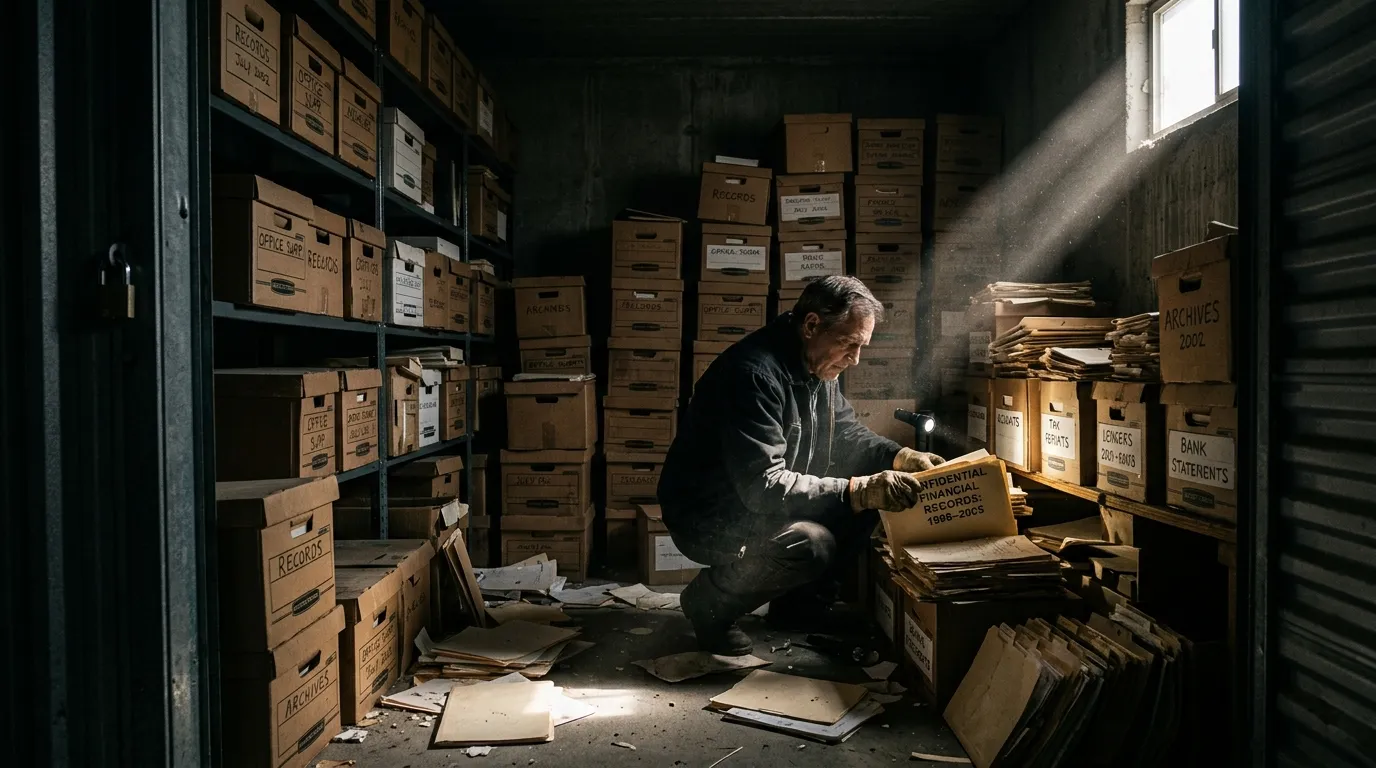
The truth wasn’t just hidden behind closed doors; it was locked away in boxes across town.
The mysterious storage unit was finally opened by the authorities several agonizing weeks later with the proper legal authorization and a police escort.
Inside were stacks of heavy cardboard boxes.
Not old furniture. Not stolen family valuables or heirlooms.
Paperwork.
Endless reams of paperwork. Pristine copies of hidden bank statements. Altered insurance documents. Important mail that had deliberately never reached my hands. A complete, secondary set of car records and titles. And, most sickeningly, several thick envelopes containing massive cash withdrawals that I had never, ever authorized.
I stood frozen in the dusty doorway while my father methodically examined the typed labels on the boxes.
Evan had not just been aggressively controlling what I could see on a daily basis. He had been meticulously, criminally building an entirely fraudulent financial picture around my name—a labyrinth I had never been allowed to navigate or understand.
But there was one specific manila envelope that mattered far more than the rest.
It contained printed copies of text messages between Evan and someone whose name I unfortunately recognized immediately.
My former personal bank representative.
The messages were relatively short and strictly business-like, but they perfectly explained exactly why crucial account notifications, fraud alerts, and balance updates had mysteriously stopped reaching my cell phone many months earlier.
My father read through the damning transcripts once, his jaw tight.
Then, he turned and handed the stack of papers directly to me.
“You decide what happens next, Lena.”
That was the exact, crystalline moment I finally understood the profound difference between simply being rescued and truly being supported.
My father had called the police when my voice was stolen from me. He had rushed into danger when Noah cried out for him. But through it all, he never once tried to strip my agency away. He never took my decisions out of my hands.
So, I made them.
I ruthlessly changed every single account password. I opened brand new, secure accounts at a different bank that Evan could never access. I legally replaced the locks on my life. I meticulously documented every faded bruise, every verbal threat, every glaring financial irregularity, and every single conversation I could verify with proof.
The tedious legal process moved forward slowly, functioning on a separate, much colder track than my internal emotional recovery.
There were endless police statements, piles of court records, grueling hearings, and deeply invasive, difficult questions from lawyers. There were undoubtedly dark, exhausting days when I desperately wanted to give up and believe the simpler, softer version of the story because the simpler version hurt so much less.
But every single time I looked at Noah playing in the living room, I remembered the cold reality of that kitchen floor.
Not because I ever wanted to live inside the trauma of that night again.
But because I never, ever wanted my son to grow up believing that suffocating silence was an acceptable price to pay for keeping a broken family together.
One quiet, sunny afternoon, several long months later, I logged into my new banking app and found the original seventy-three dollars still sitting untouched in the emergency account.
I actually laughed out loud.
It was still there.
The petty, trivial amount of money that had sparked the final, explosive fight had ultimately become the absolute smallest part of everything I had managed to recover.
My independence and freedom were worth infinitely more.
My son’s unwavering trust and safety were worth more.
And my father’s calm, quiet, steadfast answer to that first desperate, trembling phone call was worth more than I could ever adequately explain in a lifetime.
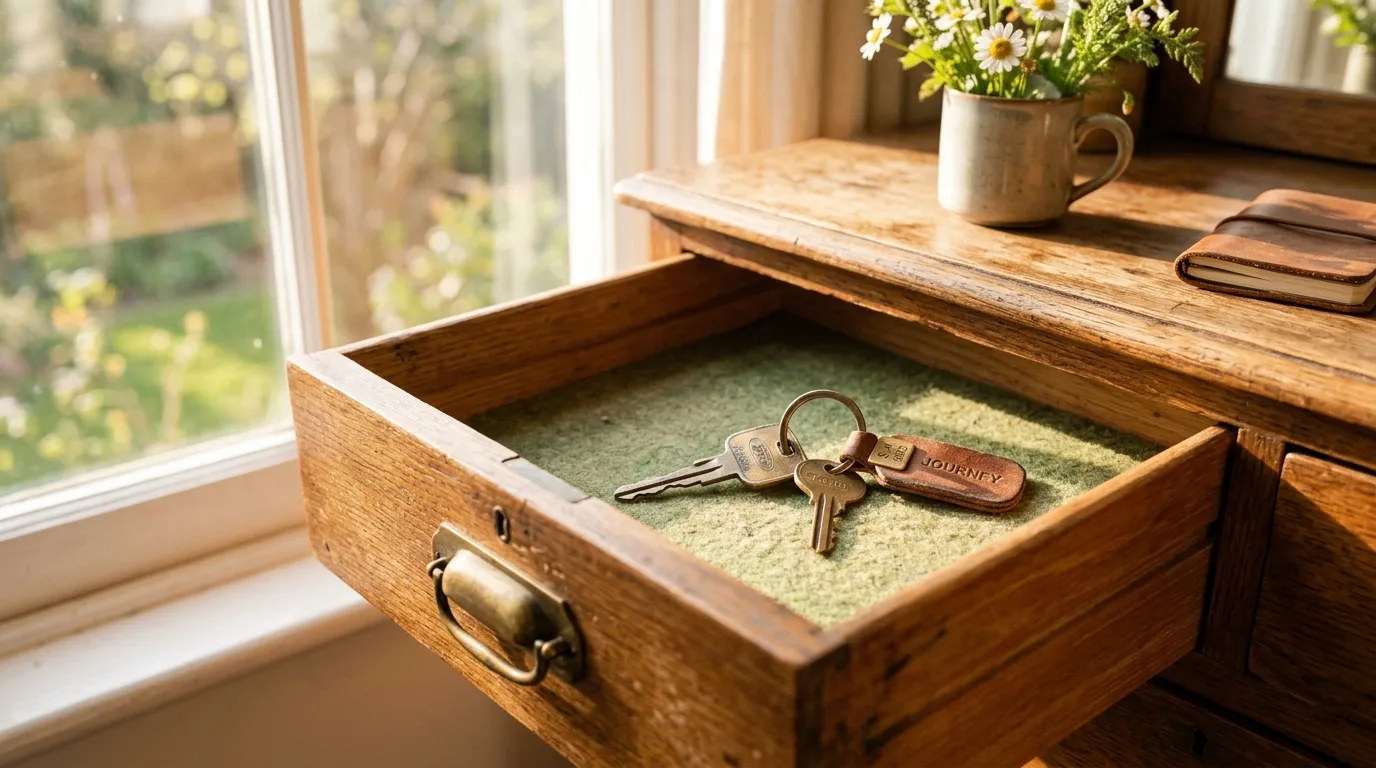
The keys no longer represented control; they represented a closed chapter and a new beginning.
I decided to keep those old car keys tucked away safely in a wooden drawer in my new bedroom afterward.
I didn’t keep them because anyone held control over them anymore.
I kept them because every time I looked at them, they reminded me of the terrifying night my little Noah picked up a phone with both his tiny hands, bravely scrolled down to find his grandfather’s name, and bravely did the one thing I had been far too frightened to do myself.
He simply asked for help.
And thank God, someone came.
Note:This work is inspired by real events and people, but it has been fictionalized for creative purposes. Names, characters, and details have been changed to protect privacy and enhance the narrative. Any resemblance to actual persons, living or dead, or actual events is purely coincidental and not intended by the author.
All images used in this article are AI-generated and intended for illustrative purposes only.
0 Comments